Nintendo's biggest ROM chip supplier is bowing out of the business
And what that could mean for physical Switch game costs.
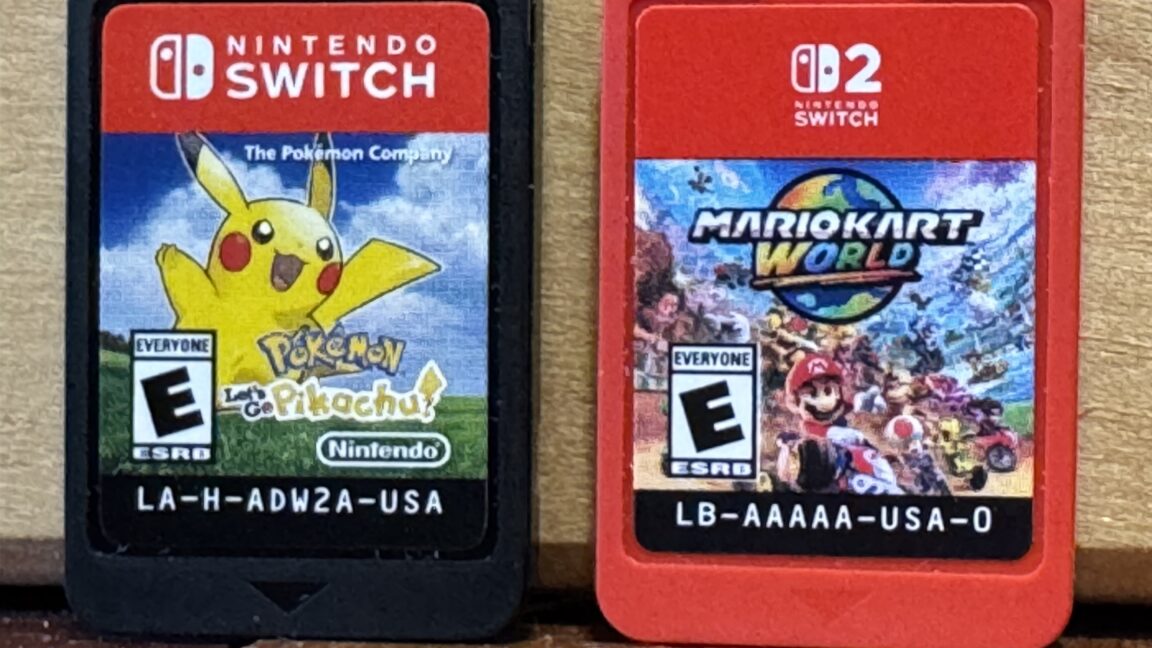
For years, the AI industry's insatiable demand for memory and storage has had plenty of knock-on effects on the price and availability of PC components like RAM, SSDs, and GPUs. Now those shortages are also squeezing the supply of ROM chips that power physical Nintendo Switch and Switch 2 game cartridges.
Chip manufacturer Macronix announced in its third-quarter earnings report that the company's production of ROM chips "has reached its end" and that it will begin "gradually decoupling from the game industry," as reported by Taiwanese news site BigGo Finance. That could be an issue for Nintendo, which analyst David Gibson notes uses Macronix as its "main memory chip maker" for physical game cartridges.
That ROM production—which has shrunk 39 percent in the last year and now represents just 5 percent of Macronix's business—is being crowded out by production of more lucrative, in-demand chips like NOR- and NAND-based memory and eMMCs, the company said. With Macronix's production capacity stuck at 25,000 12-inch wafers a month—and $1.2 billion in planned new capacity taking a year or more to spin up—less profitable ROM chips are taking up wafer space that can earn more through other types of chips.
原文出处:Ars Technica (本文由聚合程序自动采集,版权归原作者所有)